Archive for the ‘At Your Leisure’ Category
Frugal Farm Fashion
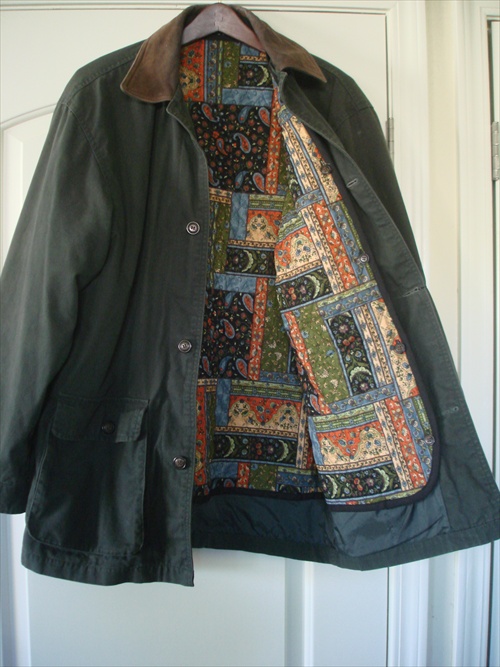
I am a self avowed thrift store junky. Really. So much of what I have on the farm has been found at thrift and junk stores; from galvanized water troughs to garden fencing to clay pots for vegetable and flower starts, to my newly acquired barn jacket.
The find was a pure accident. I wasn’t even really on a mission to haunt the many thrift stores that dot our area, but am unexpected trip to the other side of the county found me on the main drag where some of my favorite stores are located, and since I don’t get over that direction very often I decided to make the rounds. Several stores had some interesting items but nothing tempting enough to lay out cash for. It wasn’t until I breezed through the last store that my find was discovered. I wasn’t even really looking after so much defeat, but as I made my way to the door a dark green jacket caught my eye. Turns out it was an aged Eddie Bauer barn coat with real leather accents. Thinking there must be something wrong with it I looked it over carefully for tears or stains or split seams, but none were found. I checked to see if all the buttons were there. They were. I checked to make sure the zippers worked. They did. Nothing seemed to be wrong with it other than the fact that it was an older style.
I couldn’t believe anyone would get rid of such a lovely and useful jacket, but we live in such an over consumptive society now a days that it shouldn’t really surprise me. At any rate their loss of giving away a useful piece of clothing was entirely my gain. As it turned out the thrift store was having a sale that day and the jacket cost me a whopping $2.50!
The only thing wrong with it, at least in my eyes, was the completely hideous blue liner, but that was easily remedied a few days later when I stopped by the fabric store and found a wonderful quilted fabric on the clearance table. I bought two yards, just to be safe, for $4.
When I got home I unbuttoned the liner from the coat and proceeded to rip the seams. I laid each piece out on brown paper bags and traced them to make a pattern. I’m not much of a seamstress, but the idea was simple enough that I thought I could manage. Once the pattern was made and laid out on the new fabric I took a deep breath and began cutting. After I cut all the pieces I hopped on-line to research the steps in assembling the new liner, simple enough. The new quilted fabric is reversible, so I trimmed it in black bias tape left over from one of Brianne’s school projects. Now if I wanted to change the look and feel of the jacket all I have to do is turn the liner around. The final and most daunting step was making the button holes. But, I have to say I didn’t do half bad. Now I have a barn jacket that is not only warm, but also farm fashionable too.
It never ceases to amaze me, or make me happy, that something so simple can be turned into something so beautiful with a few adjustments. Every time I wear the jacket I get complements, even if people do look askance when they learn of the jackets history. It never bothers me though. Let other people spend hundreds of dollars on a jacket like that. I’m thrilled to have my piece of wearable art for just $6.50.
Steamming Bowls and Library Books
My mornings have taken on a new rhythm now that I am working full-time again. The slow leisurely pace of morning is gone. Most of my chores are done before the rest of world thinks of getting up. I feel at home with the new routine, keeping up with fall preps and the farm humming. Change is afoot and not just in the weather. I have plans, folks, plans to finish the greenhouse, plans to plant a winter garden full of greens and roots, plans to start an herb garden of kitchen and medicinals. There will be room for new chicks in the barn and perhaps a pig in the freezer.
Fall is not quite in full swing, but nights are dipping into the 40’s. I wake in the cool foggy morning to a steaming hot bowl of oatmeal, choke full of fruit and nuts. I cook it over my stove rather than in the microwave, it only takes a few minutes. People think I’m crazy that I don’t use those little brown packages that cook up in 30-seconds or so. But, I like cooking over a stove, any stove—gas, electric, wood. I do have a microwave I just never use it for cooking. And—who needs it anyway. Oatmeal is simply adding oats and milk and fruit and nuts and sugar and cinnamon to a pot, and there you have it, an amazing hearty breakfast full of carbs and energy, enough to keep you going through swinging a hammer or stacking a load of firewood.
Tonight I’m off to town to the library’s annual book sale. I’m sure the place will be packed, it always is. The sale has become a kind of ritual for me, a thing I do every season…adding to my growing library. I will comb the stacks, make my selections, sit on the floor and decide what to buy. And, when I am finished I’ll head over to the small café across the street for a wonderful bowl of homemade clam chowder. It’s not like most people would spend a Friday evening, but it is mine.
Mason Jar Meals
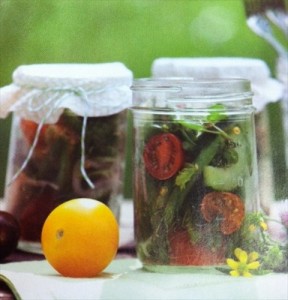
Warm summer nights are the perfect time to enjoy the freshness of the garden — when clear skies beckon and staying inside seems impossible. This is also the time of year when many towns and cities explode with outdoor activities like concerts-in-the-park, art shows, plays and festivals. It’s a time to sit around a lake and let the cool summer air drift over you or lull around listening to the crashing sounds of ocean waves. So grab your picnic basket and stake your claim on the great outdoors with a well worn quilt and a pile of soft, plump pillows. Surround yourself with family and friends and an iced cold glass of fresh lemonade or tea.
Take the garden with you with fresh seasonal salads, which are more easily transportable and attractive when packed in a single serving Mason jar. Try a tangy and aromatic salad featuring a medley of heirloom tomatoes, haricot verts, Persian cucumbers, sweet Vidalia onions and shallots tossed in light champagne vinaigrette and topped with fresh minced dill, basil and oregano. How about a sweet Asian cucumber salad, a Greek salad of tomatoes, cumbers and onions, or, use your favorite veggie combination to make your own creations. Paired with a crusty bread and fresh made cheese it’s bound to make any sultry summer night even better.
Dancing Around the Fire

The Vernal Equinox is celebrated on March 20th, a day that heralds the coming of spring, that mystical moment in time when the ancient’s folklore told of magic touching the earth. Science on the other hand marks the event with changing orbits, axis, rotations and other such astrological and scientific terms.
For me, I much prefer the ancient’s celebration of season, rebirth, fertility, and the welcoming of spring after a long winter; a moment in time when day and night are equal. The day was marked by dancing around a fire in celebration; of the ground being warm and fertile enough for planting; of tree and bush flowering with the promise of a future harvest; of farm animals giving birth. It is not just a day, but a promise; a sign of life continuing, the passing of winter and the coming of summer.
I don’t know about celebrating the day with bonfire and dance, but it will be celebrated; with food and drink of a small farm at the edge of town. Now that’s a promise worth toasting. Aye!
One More Hour…

…to plant a garden
…to farm the land
…to tend animals
…to work on projects
…to write about us
…to read a book
…to plan the future
…to dream anew
…to learn a new skill
…to quilt
…to stretch out in the sun
…to grow as a person
…to love my sweetie
…to LIVE A LIFE FULLY!
Farmbrarian – Farmer/Librarian

Grab a cup of coffee, pull up a chair and flip through the pages of Farmbrarian.
The Farmbrarian blog is a website that reviews books about sustainable food. Through the site, you’ll discover many titles that may be new to you. It’s a great resource for those looking to read up on the environment and food.
Farmbrarian is a collaborative effort between Erin, an academic librarian, and David, a nutrition student and future registered dietitian. Their mutual passion for nutrition, sustainable agriculture, reading and teaching lead to the founding of this unique blog, where they meet and review books about growing and eating real food.
If you don’t have time to read as many books as you’d like about sustainability-or even discover the titles, this is the place to start.
Beating the Winter Farm Blues

After the chaos of summer and the rush of fall harvest is over, we crave the slower days of winter; curled up in front of a fire with a good book. But once the tinsel and mistletoe is packed away and the groundhog reminds us we have a long way to go, cold days start to close in on us.
Don’t despair. With a dash of freshness you can shake off that cabin fever feeling. Try a few of our tips for beating the winter blues and savoring the slower weeks that lead us to the promise of spring:
1. Create some needed breathing space by decluttering, donating, freecycling or selling off old or unused stuff. You’ll feel ten pounds lighter instantly. Areas that could probably use a do-over: kitchen drawers, bathroom cabinets, clothing closets.
2. Winter is a great time to revive UFO’s (Un-Finished Objects). Projects that have been floating around for a while, things you started with good intentions and never had time to finish. To keep from getting overwhelmed, pick one project to complete each week.
3. Use farming’s off-season to re-inspire yourself and learn new skills. Read books, magazines or blogs about people who are living a simpler homesteading life. Research whether adding a new variety of animal or crop to your homestead is a good idea. Learn how other farmers have done it and gather resources that will help you decide.
4. Plan a Girl’s Night In. Invite friends and neighbors for a round of cards or other games. Or, have a cooking party to share favorite treats or discover new ones.
5. Treat yourself to a little pampering with a full body exfoliation before gardening season imbeds soil back under your nails. Try a homemade sugar scrub and relish the softness, a frugal alternative to pricey spa treatments.
Mix the following ingredients until they resemble a paste:
1 cup brown sugar
1/2 cup almond, safflower or sesame oil
1 T. honey
1 tsp. pure vanilla extract
While in the shower, massage the entire scrub in gentle circular motions from your shoulders to your feet, focusing on dry areas such as hands and heels. Rinse with warm water, using a little soap to wash off the oil. Dry off and moisturize.
6. Bring the outside in by hanging birdfeeders outside windows. The beautiful colors and zest for life will lift your spirits.
7. When outside weather permits take to the woods on a long walk. Look at your surroundings differently; hear what the world is supposed to sound like without lawnmowers or chainsaws. Savor the quiet and calm. The weather may be different, but you’ll still get a little shot of energy. Try a winter sport like cross-country skiing or snow-showing.
8. When it’s not too cold, open a window and let the smell of winter freshen your home.
9. Begin planning your garden and when the time is right, start some seeds in a sunny window
10. A few fresh ideas will go a long way in the dead of winter. Shake off the blahs with a trip to the library or local bookstore. Grab a hot drink and enjoy perusing periodicals and books on topics that interest you.
11. Use these quiet days to learn a new hobby like knitting, quilting, or baking. The uninterrupted time will give you loads of practice.
12. Keep up with exercise. It will improve your mood and help ward off depression.
13. Take care of yourself with a balanced diet of as many fresh items as possible. Try to stay away from overloading on carbs as they will turn into sugar and eventually pounds. And, don’t forget foods high in vitamin C to help ward off colds.
14. Stay connected with family and friends through the internet or by phone. It will make you feel less isolated.
15. Embrace the season. Even with the weather, winter has so much to offer – from new perspectives to the promise of a new year, finding your joy in the season can go a long way to lifting your spirits.
Challenge yourself to pick a few new ideas that interest you – new recipes, gardening techniques, building skills or travel destinations and bust out from the winter blahs.

Fun and Frugal Ideas to Keep Your Family Entertained
Life isn’t all about giving your kids everything they want it’s about creating life experiences that will have an effect on them as they move towards adulthood. What they see and hear, learn and experience will help them to become well rounded people.
So how do you fit culture and entertainment into your simple, frugal, homesteading life? First, utilize your community or county’s cultural and recreational events calendar to plan inexpensive experiences. Many towns and cities have a variety of concerts in the park, festivals and founders days that you can build family memories around. The beauty of these types of events is that they are usually outside and small, and can hold your child’s attention. For larger half day or all day events pack a picnic lunch or dinner.
Below are just a few events and activities to look for. Read the rest of the story »
Spinners & Weavers Festival and the Suburban Woolen Mill
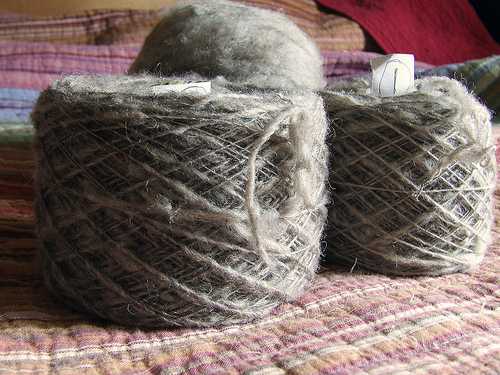
I am so excited. I found a booth at the county fair for a spinners and weavers guild in our area. I had a great time visiting with the ladies and talking about sheep and wool and spinning. As it turns out they are having a fiber festival this coming weekend, not too far from where I live. There will be workshops and demonstrations, spinning contests and all kinds of vendors with just the right supplies for the new and experienced spinner. I guess you know where I’ll be come Saturday.
Brianne and I are sheep girls, pure and simple. From early morning feedings to shearing to lambing, even lamb on the BBQ, we love it all. It’s been a long time since we’ve had flocks that graze and ewes that lamb, but we still have sheep – market lambs and freezer lambs at least. But what we miss the most is the bi-annual shearing; long days spent relieving our flock of their long woolen coats. When our flock was at its peak we could shear the whole group (45 rams and ewes) in one day. Not quite a record that will land us any kudos at professional shearing competitions, but still respectable, I think.
As we peeled fleeces off each ewe we inspected it for quality. We primarily raised replacement ewes and market lambs of the Suffolk breed. Not the best for wool production, but still useful enough for homestead needs. Select fleeces, those with enough crimp and color, were set aside to either be exhibited at fleece competitions or processed into yarn.
At first it seems intimidating, the processing of wool into yarn. It seems like such a complicated process. But, it’s really not. In fact, the process is pretty straightforward. It may take several hours from start to finish, but once you master your own routine you’ll be able to create yarns to your liking. And, when you knit or crochet a hat or scarf from your own hand processed wool you’ll know every twist of the process.
To learn more about turning fleece into fiber check out these useful links:
http://www.blackberry-ridge.com
For New Englanders wanting a whole weekend of fleece and fiber indulgence check out the Dutchess County (NY) Sheep and Wool Growers festival in Rhinebeck New York, October 16 & 17, 2010.
And, this step-by-step video

May I Take Your Order Please?
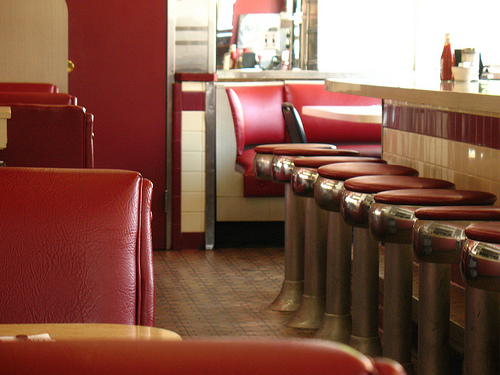
Moving towards a more homegrown life has separated me from one of my long held favorite activities – dining out. Yep. In my former consumer based life I was a fan – huge fan – of eating out. Having apron clad servers bow to my ever whim, talented chefs whipping up my favorite entrees, and, most of all, not having to clean the kitchen made me feel special, almost regal. The idea of not having to figure out what to do for dinner was sublime. I was bringing home the bacon, why the hell should I have to cook it too.
But – somewhere along the way to this simpler life, eating giant portioned meals, prepared by cooks of questionable health, with products grown in God knows what conditions lost its luster. I was breaking away. The only problem…I had my favorite dishes from my favorite restaurants. I really didn’t want to give them up.
What’s a girl to do?
Set out on a mission, of course – a mission to recreate those dishes with homegrown meats and produce, or at the very least, organic locally grown.
I didn’t give up eating out all together, but over the years I have made notes on what was in my favorite meals. Like a biologist dissecting a frog, I jotted down ingredients, seasonings I could taste and herbs and spices I recognized. On weekends I worked at recreating those dishes. It took time and there were a few failures along the way. But, like Marshall Thurber said, “anything worth doing well is worth doing badly in the beginning.”
After several tries many of them came together nicely and some ended up better than the original I was trying to copy. Below are two favorites that will have you eating well and locally summer or winter. The first is a hot weather Luau Chicken Salad; chock full of crunchy veggies and crispy wonton strips; and the second, an exotic North African Lamb dish, full of aromatic spices and sweet dried fruit. Read the rest of the story »
Recent comments
Aenean nonummy hendrerit mauris. Phasellus porta.